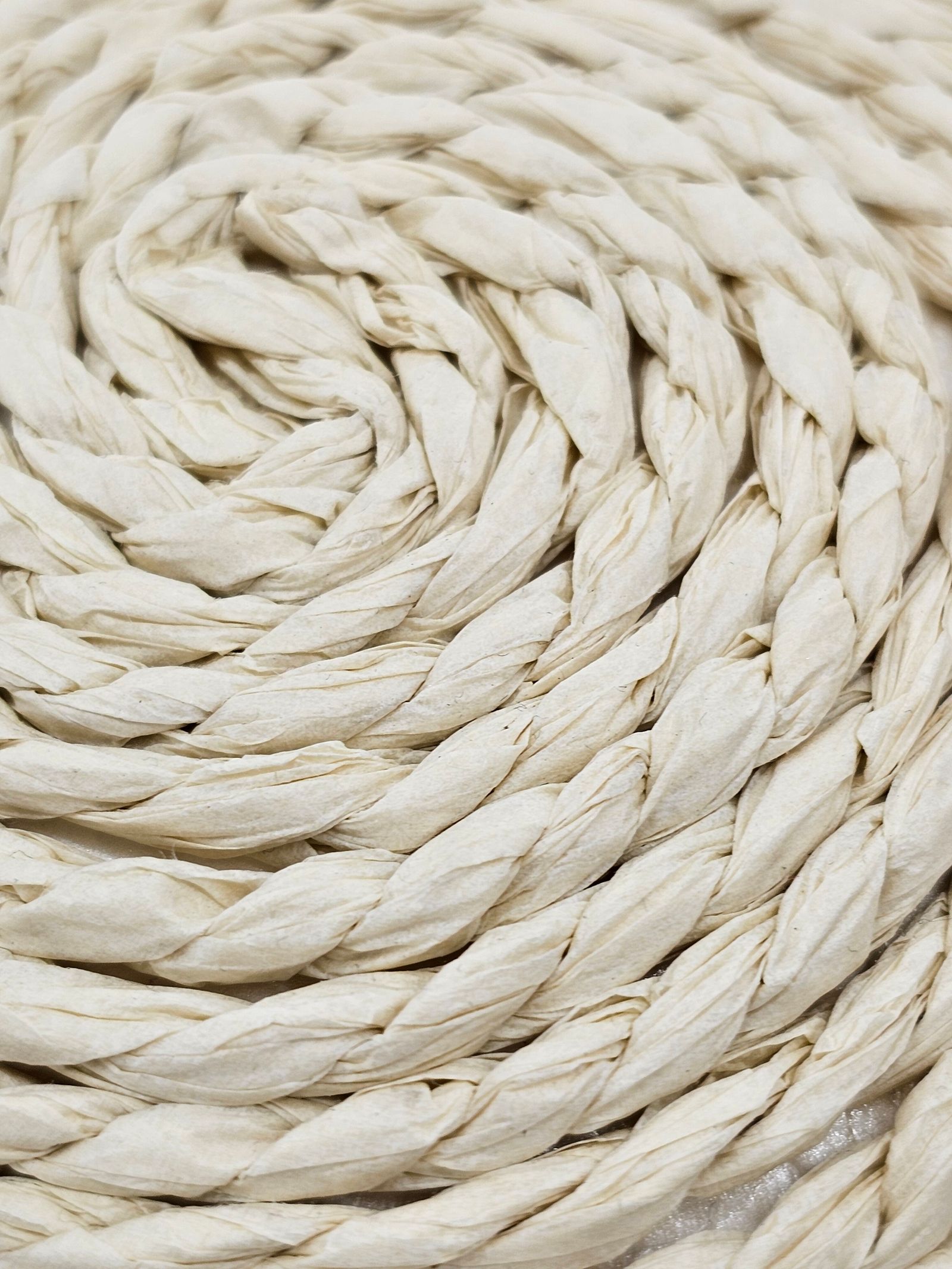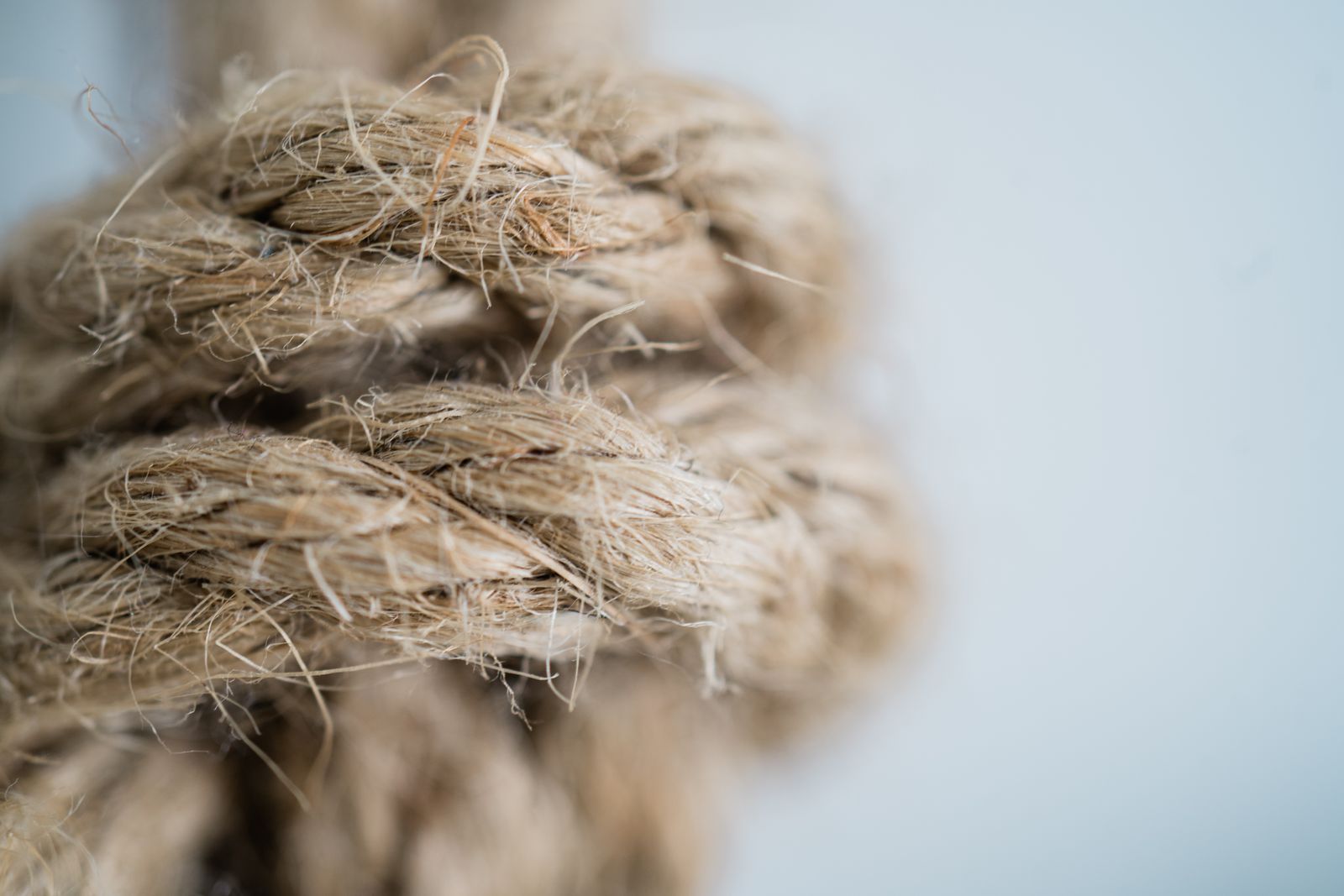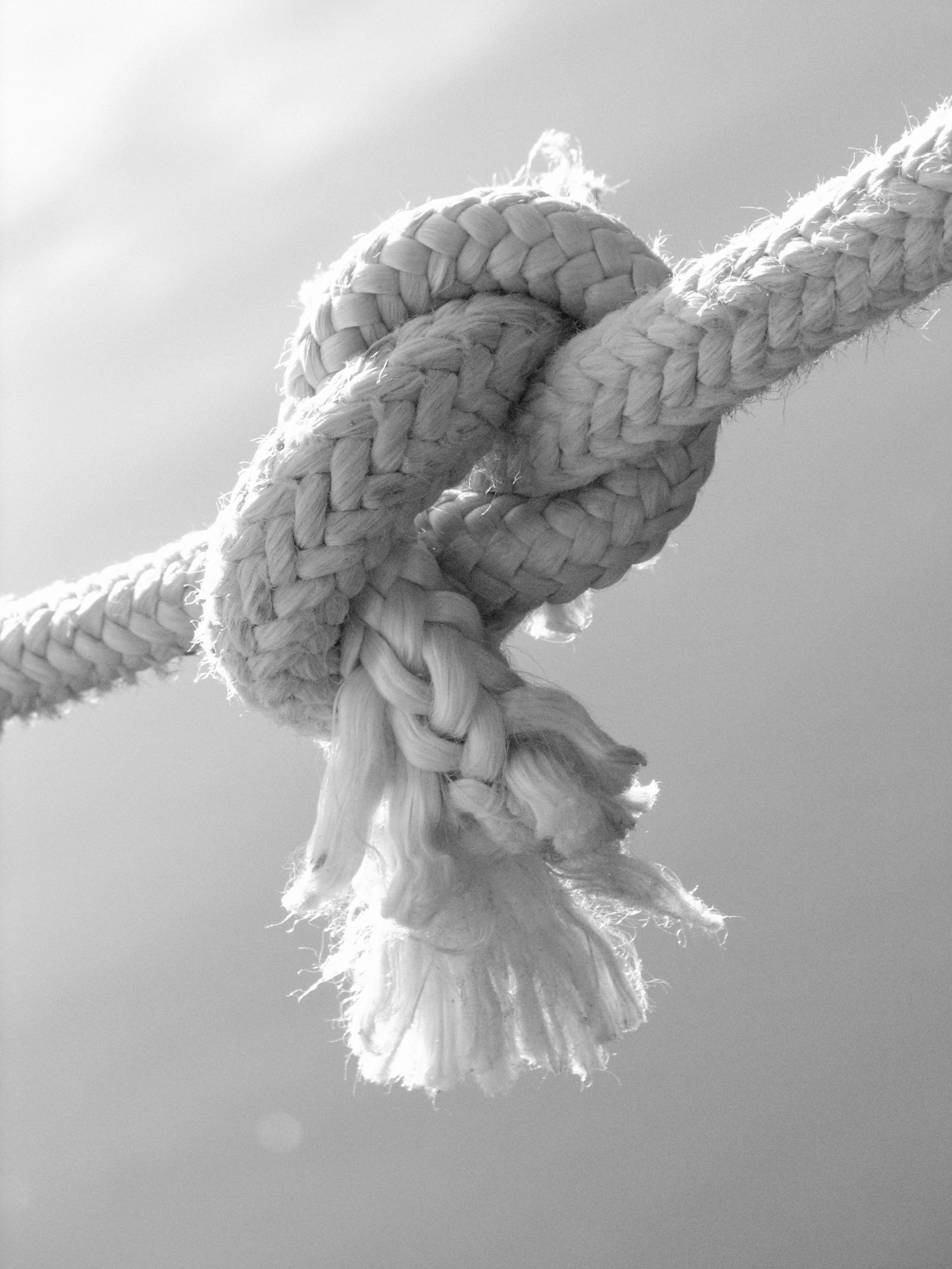

In an era dominated by mass-produced synthetic filaments, finding a truly genuine cord can feel like an impossible task. Most hardware store shelves are packed with slippery nylon or scratchy polyester that frays under pressure and looks out of place in a thoughtfully designed home. True craftsmanship requires patience, raw organic materials, and a deep understanding of tension.
Viewzunex operates on the belief that everyday objects should carry the warmth of human hands. Every single meter of rope that leaves the workshop is braided without the aid of automated factory machinery, relying entirely on the rhythm of human fingers and time-tested techniques passed down through generations of artisans.
The Heritage of Classic Plaiting Patterns
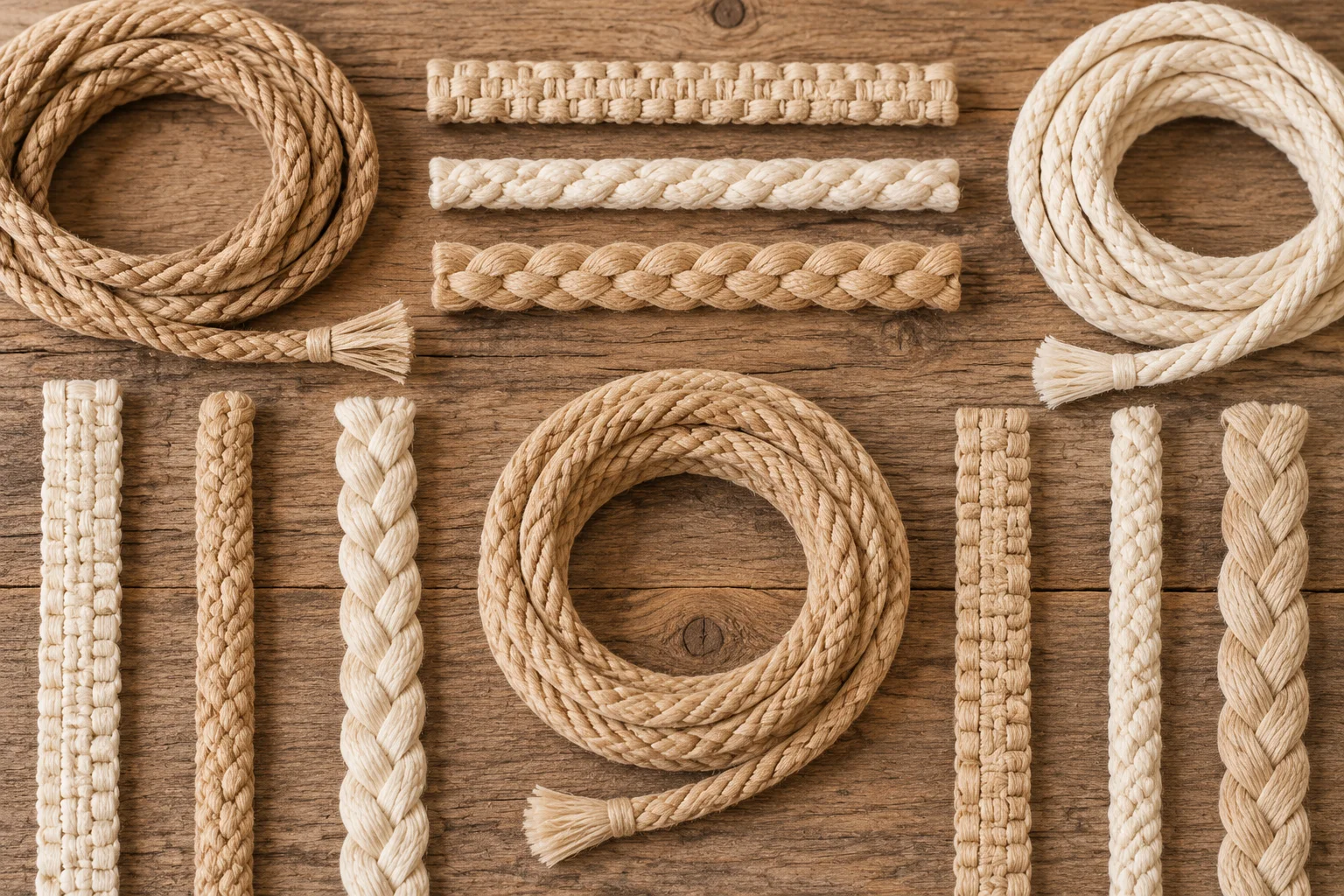
Working with natural fibers demands respect for their inherent qualities. Cotton offers softness and flexibility, making it a favorite for interior decor, macrame projects, and gentle bindings. Linen brings unmatched tensile strength and rustic texture, perfect for heavier applications where durability matters most.
Classic plaiting is not merely about tangling threads together. The geometry of the braid dictates how the cord will behave under load. A poorly made rope stretches unevenly and kinks upon release, whereas a balanced structure distributes stress evenly across every individual strand. This attention to mechanical integrity ensures the finished piece performs reliably over years of daily use.
Choosing the Right Thickness and Length
Ordering a custom cord means no compromises on sizing. Standard retail lengths often leave too much waste or fall frustratingly short of what is actually needed for a specific task. Precise measurement transforms a simple piece of string into an integrated element of your project.
- Measure the exact span twice before submitting your specifications to avoid miscalculations.
- Consider the bend radius when selecting thicker diameters for tight corners.
- Account for slight natural shrinkage when washing unbleached cotton fibers for the first time.
- Specify the intended load capacity so the workshop can adjust the core tension accordingly.
- Request extra length if you plan on tying decorative knots that consume significant material.
Thickness determines both the visual weight and the physical grip of the cord. A thin, delicate round braid highlights fine carpentry work, while a heavy square linen rope anchors rustic furniture and architectural accents with quiet authority.
The Slow Process of Handmaking
Modern manufacturing obsesses over speed, sacrificing quality for volume. Hand braiding forces a slower, more deliberate pace. Each spool of thread is inspected for flaws before it touches the workspace, and any irregular section is discarded immediately to maintain structural uniformity.
The hands of the braider memorize the tension required for each pattern. Too loose, and the cord lacks backbone; too tight, and the fibers snap under friction. Striking that exact balance takes years of practice and an intimate familiarity with how organic materials react to humidity and handling.
Integrating Natural Cords into Modern Interiors
Natural fibers bring an organic softness to sterile modern environments. A well-placed linen rope can serve as a curtain tieback, a structural element for hanging shelves, or the core of a custom lighting fixture. Because cotton and linen age gracefully, the cord develops a subtle patina over time, recording the history of its use in your space.
Caring for natural fiber cords requires simple common sense. Keep them away from constant moisture to prevent mildew, and occasionally dust them with a dry cloth. Unlike plastic alternatives that degrade into unsightly microplastics under sunlight, natural cords weather gracefully, returning to the earth quietly when their very long lifespan finally concludes.